Category: Plant Science News
-
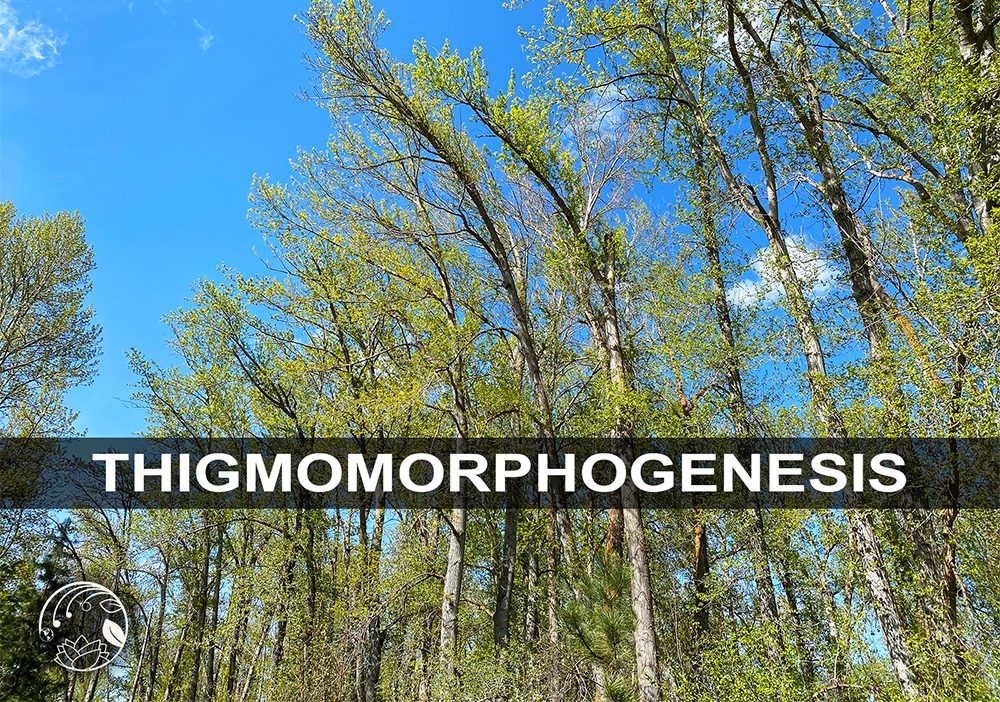
Thigmomorphogenesis: Plants that push back?
Thigmomorphogenesis is how plants respond to touch and movement, growing shorter, sturdier, and sometimes delaying flowering. It’s not a flaw—it’s plant Pilates, building strength before bloom. Explore how this subtle shift plays out in your garden.
Written by
-
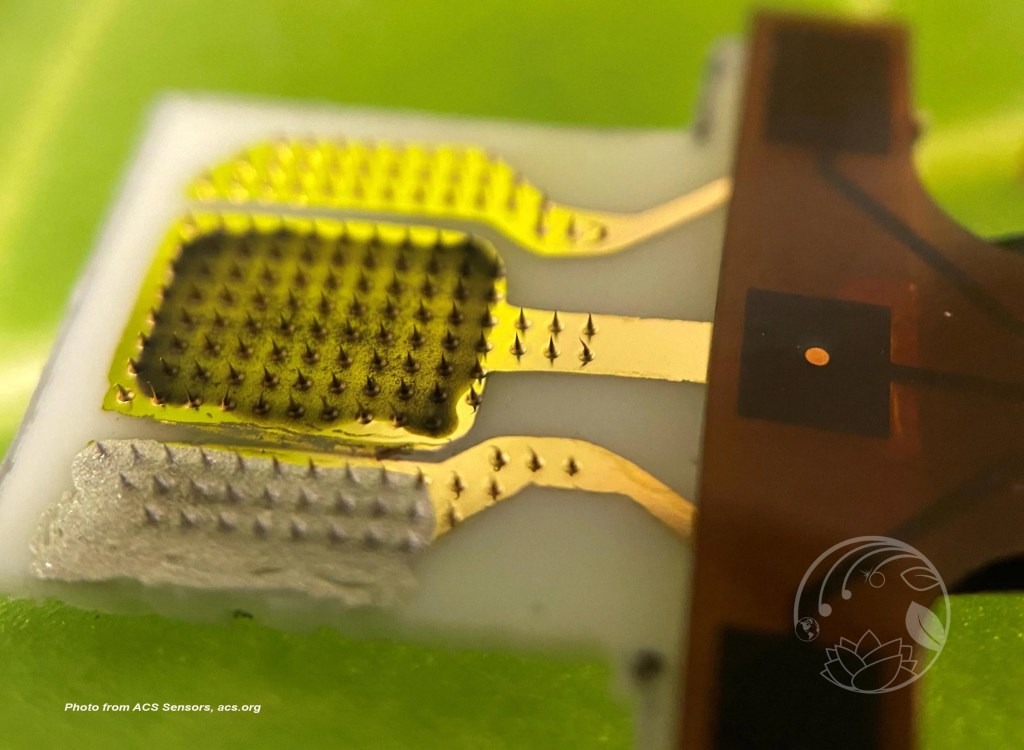
Smart Watch for Plants: Researchers Build Sensor that Detects Stress Signals in Plants
Researchers have developed a wearable sensor for plants that detects stress by monitoring hydrogen peroxide levels. This technology allows for rapid, real-time analysis of plant conditions, potentially reducing crop loss and food waste, promoting a sustainable future for agriculture.
Written by
-
Beyond the Holiday Glow: Care for your Poinsettias
Poinsettias (Euphorbia pulcherrima) are one of the most recognizable plants of the holiday season, but their beauty isn’t limited to December. With a little care and understanding, you can enjoy their vibrant displays well into the new year—and even longer! The Brightly Colored (or White!) Parts are Not Flowers! Poinsettias stand out because of their…
Written by

-
Firefly Petunias: The Science and Company Behind Bioluminescent Flowers
Light Bio has created the Firefly Petunia, a bioluminescent plant that emits a gentle glow thanks to genes from bioluminescent fungi.
Written by

-
Harnessing Nature’s Wisdom: How Biomimicry is Revolutionizing Sustainability
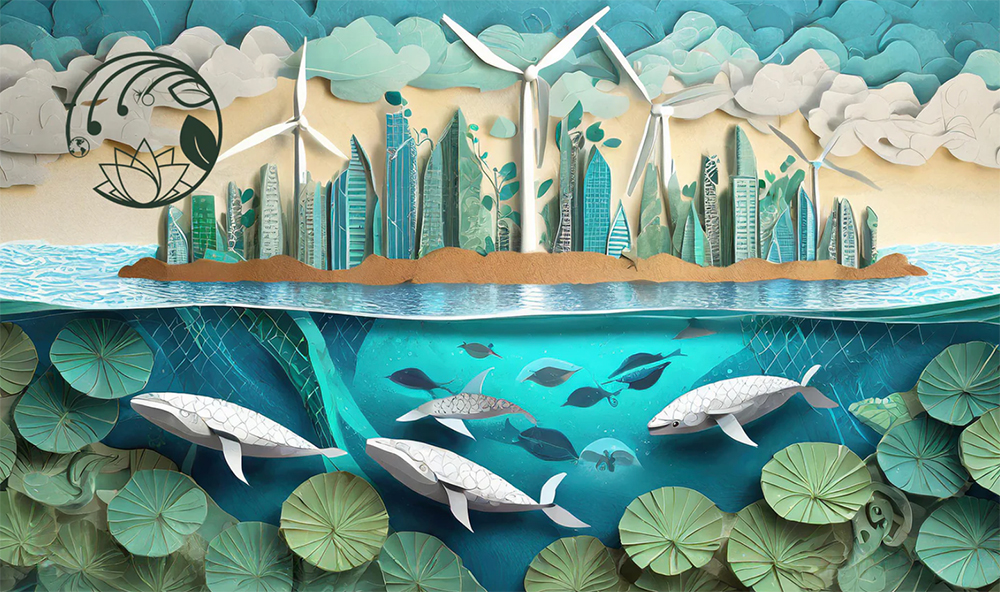
By Angel, Founder, Third Orbit Flora The ongoing battle against climate change drives scientists around the globe to increasingly turn to mother nature for innovative solutions. Biomimicry, the practice of imitating natural processes and systems to solve human challenges, is emerging as a powerful tool in promoting sustainability across various sectors. From renewable energy to…
Written by
-
Mangroves’ Importance in Stemming the Tide
Mangroves, dubbed “green lungs,” inhabit coastal areas and intertidal waterways across many equatorial tropical and subtropical regions of the world. These mangrove forests are capable of pulling massive amounts of carbon from the atmosphere and converting it through photosynthesis, storing it in the wood mass and roots of the trees.
Written by

-
Demystifying Nyctinasty: How plant movement is shaping the future of technology.
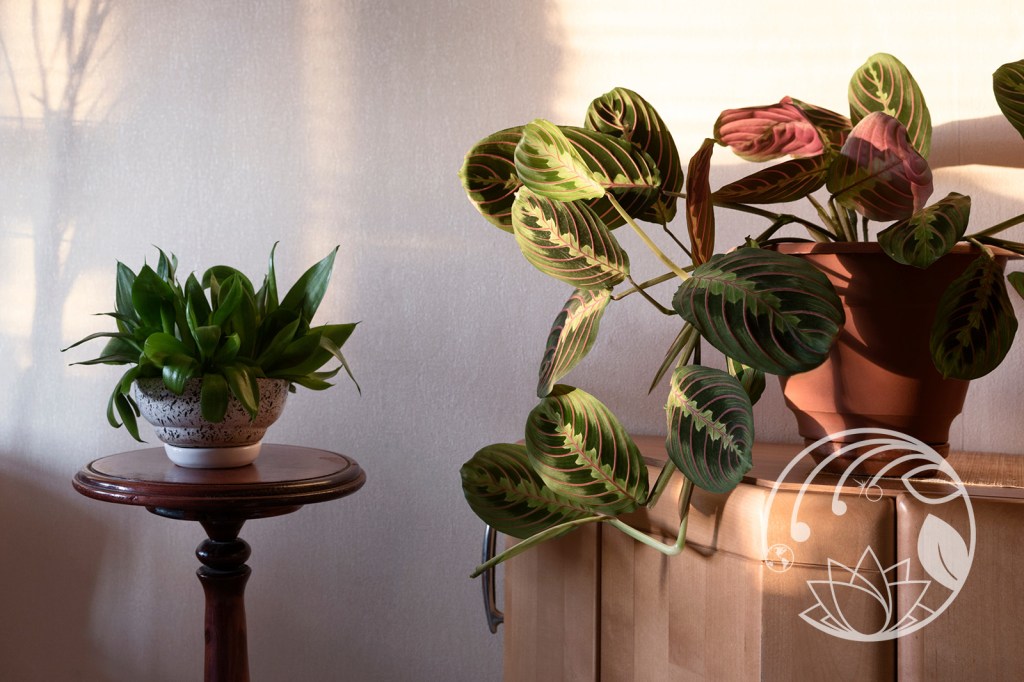
Many of us have houseplants with special habits that have intrigued us as home urban jungle curators. Plants like Calathea, Prayer, Stromanthe, and Ctenanthe have a fascinating variety of attributes. These plants move on their own to fold and unfold their leaves with the passing of night and day. But what is it called? Why…
Written by
-
Redberries? Blueberries? UV Berries?
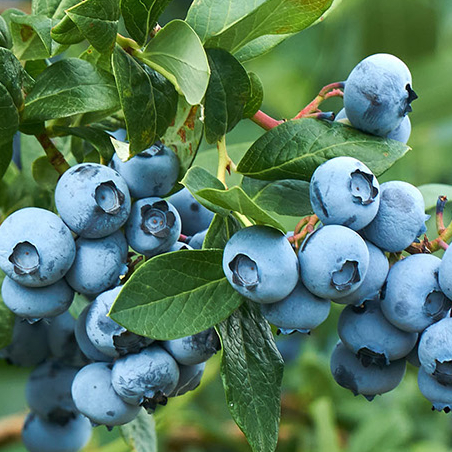
Did you know that blueberries have deep red pigment in their skin? So what makes them look blue? According to an article posted on ScienceNews.Org, there are nanostructures in the waxy coating that scatter blue and ultraviolet light, making the berries look blue to humans. Notably, the article postulates that since birds can see UV light, they…
Written by
-
Could a Tiny Fern Native to the Eastern US Help with Food Insecurity?
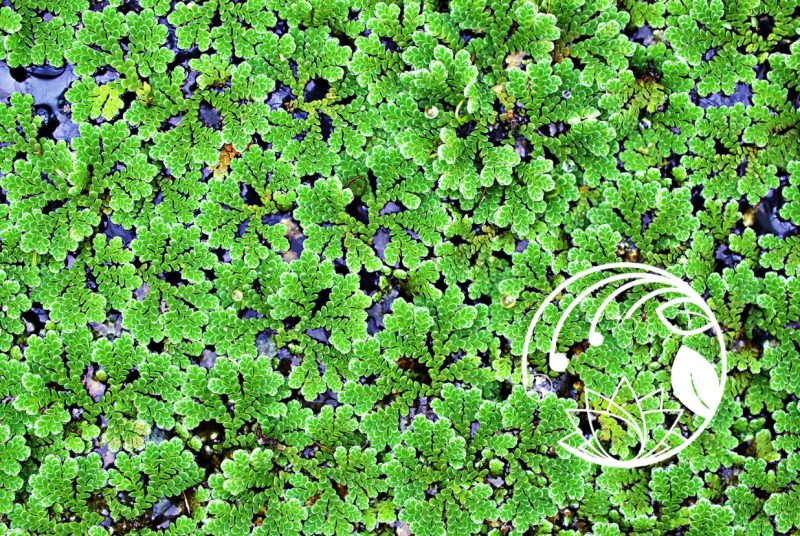
By Kayla, Founder, Third Orbit Flora After a study was done by NASA, it became clear that ferns are some of the best natural air filters, helping to absorb CO₂ and turn it into oxygen. But ferns aren’t just good for air filtration. According to an article from Penn State University, there is an aquatic…
Written by
-
The World’s Oldest Self-Sustaining Terrarium
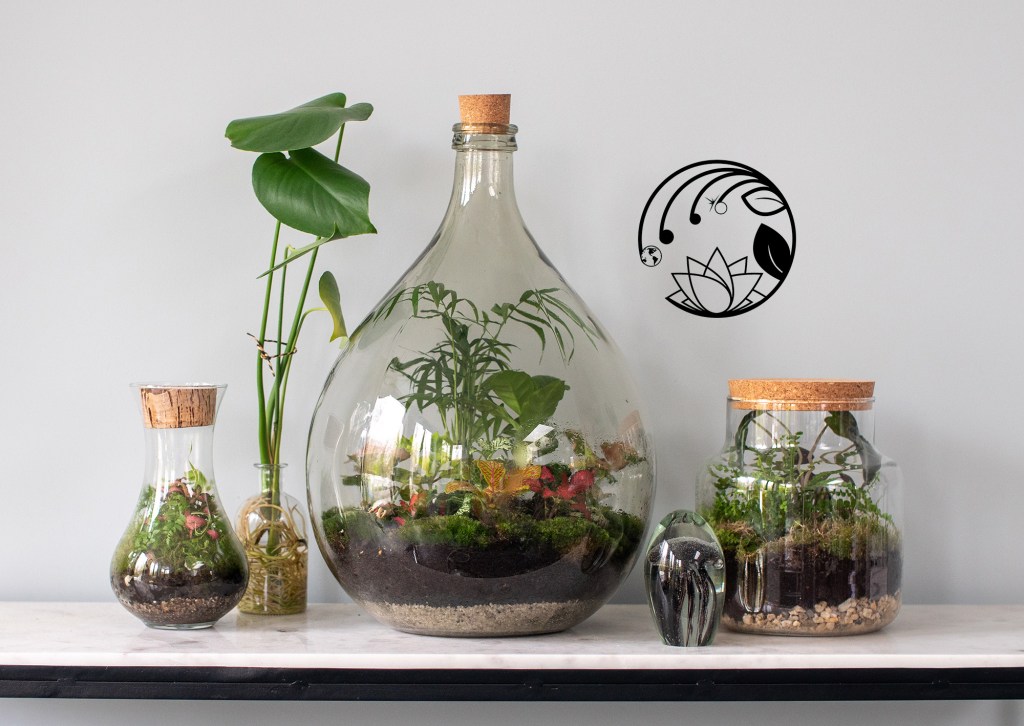
By Kayla, Founder, Third Orbit Flora In the world of gardening, there’s a tale that’s been growing for over six decades – it’s the story of David Latimer and his amazing terrarium, which holds the title of the world’s oldest. Back in 1960, Latimer had a simple idea: to create a self-sustaining ecosystem inside a…
Written by
 Third Orbit Flora