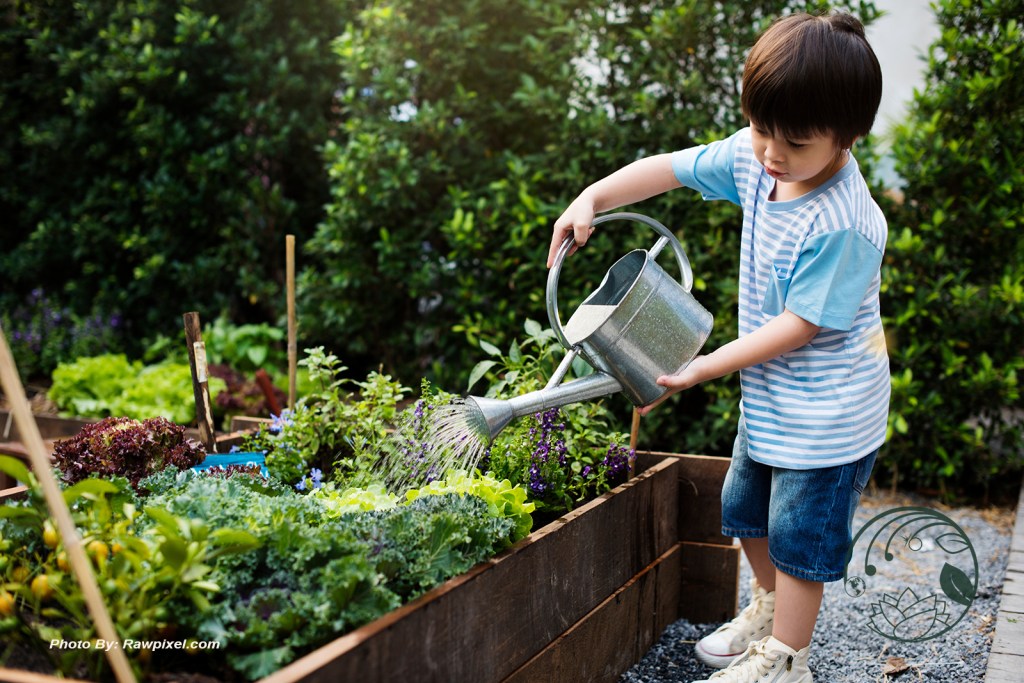
Gardening has exploded in popularity in the last decade, evolving from a niche hobby to a mainstream passion. In 2020, nearly 40 million U.S. households were growing vegetables—a jump of more than 7 million from the previous year. By 2021, 55% of American households, equating to 71.5 million, participated in gardening activities. Whether it’s houseplants, veggie gardens, or vibrant floral displays, it’s clear that greenery for our one Earth is becoming a cherished part of everyday life.
With so many people experimenting with plants, it’s no surprise that creative approaches are taking root. Whether it’s backyard beds, balcony planters, or community gardens, cultivating plants that are both beautiful and edible has become increasingly popular as people learn the basics and start imagining more colorful yet practical ways of displaying plants in their homes.
When Gardens Get Gorgeous and Gourmet
Edimental gardening—a fusion of ‘edible’ and ‘ornamental’—is trending as gardeners look to maximize both aesthetics and practicality. This approach means incorporating plants that are visually striking while also being useful, whether through edible leaves, flowers, or roots. It’s about designing a space that feeds the eyes as well as the body.
Imagine a garden where every plant looks good and also tastes good. That’s the magic of edimentals! It’s kind of like eating your cake and having it too, except the cake is rainbow chard, and you’re eating it right out of the ground!
Gardening spaces don’t have to choose between pretty and practical. Many edible plants are beautiful and unique, showing off how functional and fabulous nature can be. Why settle for plain flowers (although we love those too!) when you can have vibrant stems, lush leaves, and edible blooms available fresh? With food prices rising and eco-friendly practices becoming more important than ever, resilient, beautiful gardens are a great way to add some flavor to your life.
Building one is fun and you can experiment with different plants at different times. It’s all about turning your garden into a visual feast, literally.
Popular Edimental Plants to Try
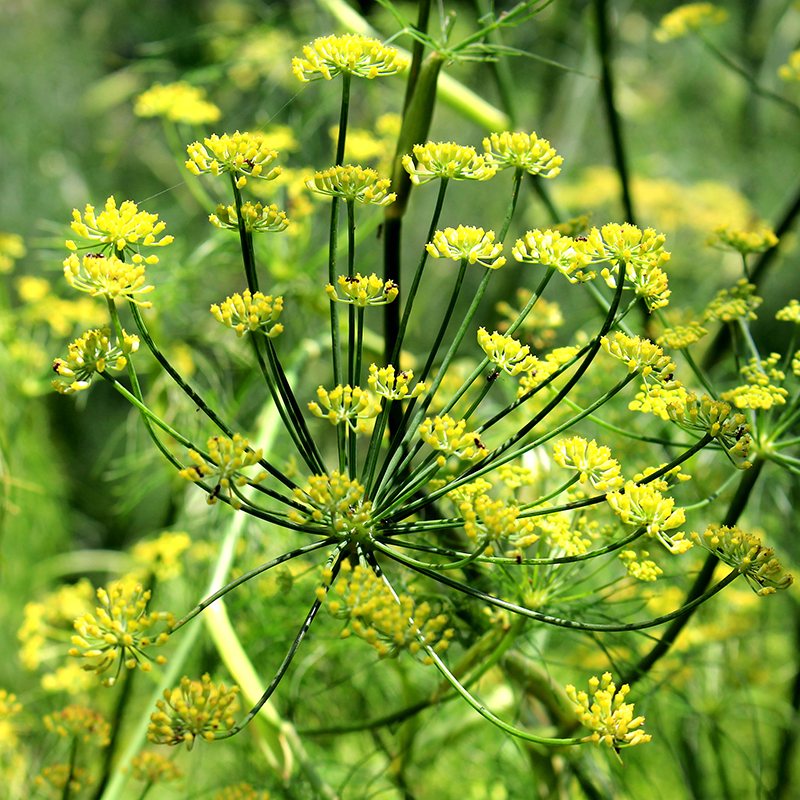
Fennel: Feathery, golden foliage with edible fronds and seeds.
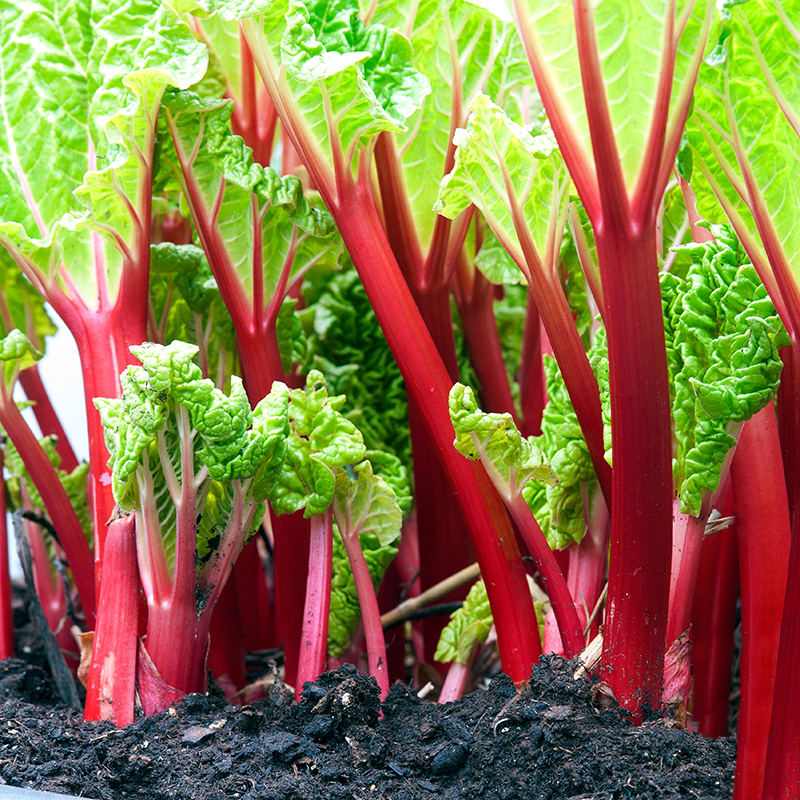
Rhubarb: Bold red stalks and large, textured leaves make a striking statement.
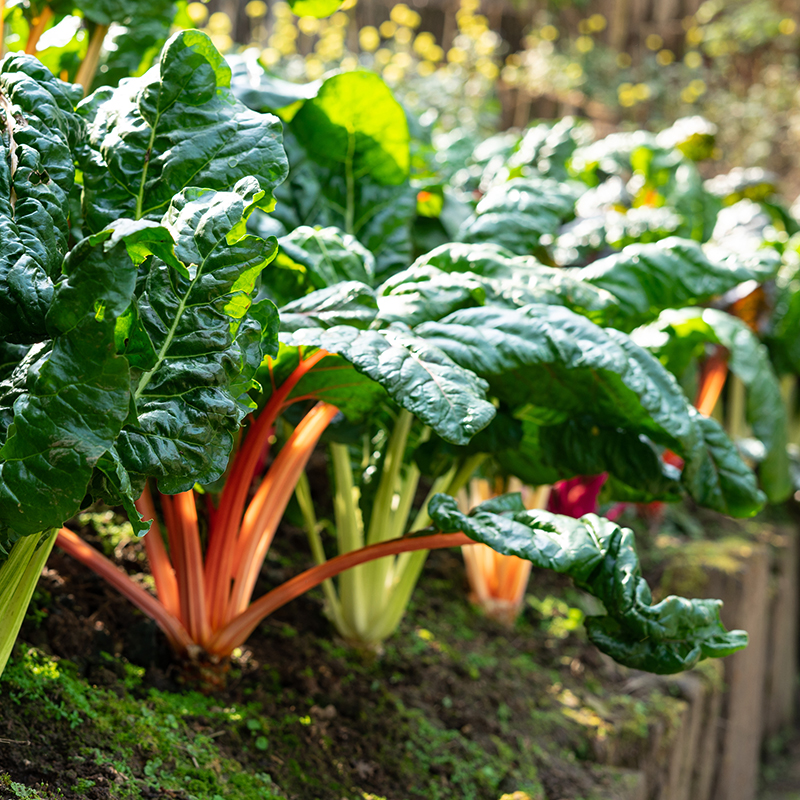
Swiss Chard: Brightly colored stems with glossy, nutritious leaves.
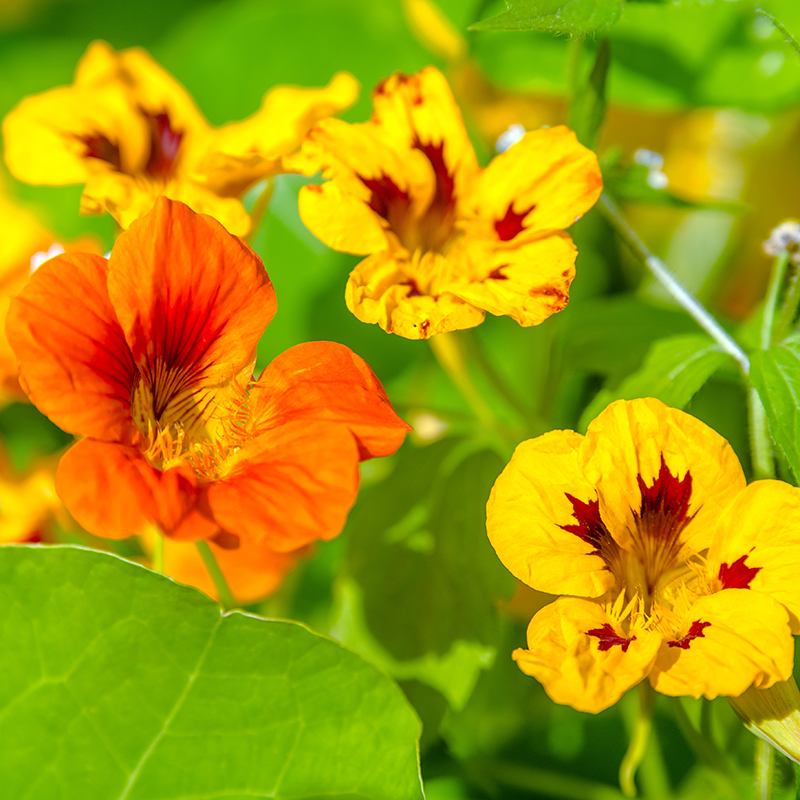
Nasturtiums: Vivid blooms that attract pollinators and add peppery flavor to dishes.
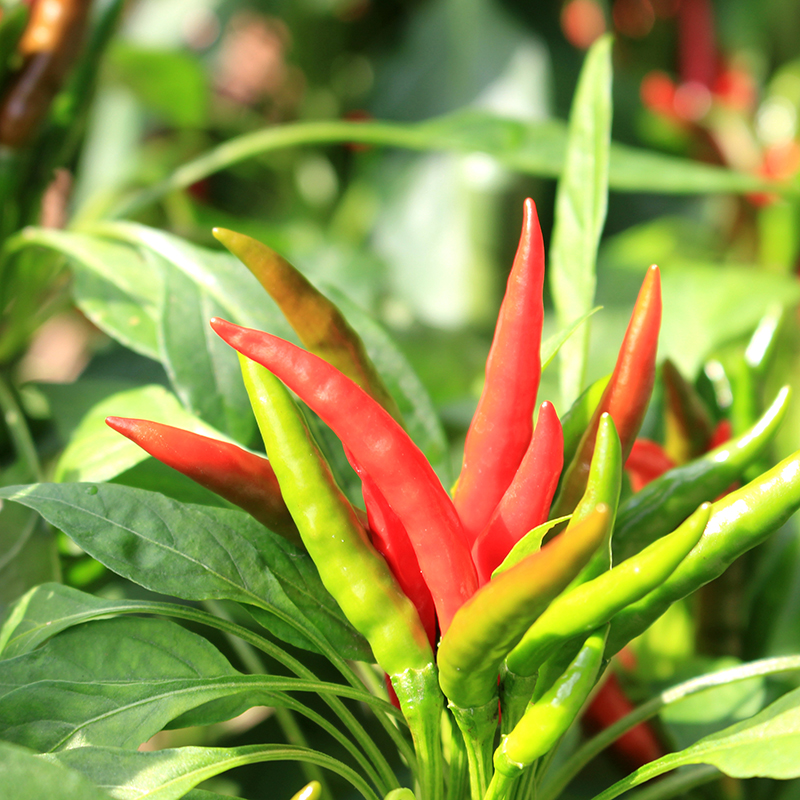
Peppers: Small, colorful fruits that are both spicy and decorative.
How to Build an Edimental Garden (Responsibly)
Choose Climate-Appropriate Plants: Select varieties that thrive in your region, favoring native or climate-adapted options for resilience and lower maintenance. Before planting, research each species to ensure they are not invasive in your area to prevent ecological imbalances.
Plan for Aesthetic Appeal: Mix colors, textures, and heights for a vibrant, cohesive look. Consider planting in layers, with shorter edibles in front and taller ones behind.
Promote Sustainability: Use organic gardening practices to ensure that your edible plants are safe to consume. Incorporate pollinator-friendly species to enhance local biodiversity.
Optimize Water Use: Install drip irrigation or use mulch to conserve moisture, especially in areas prone to drought.
Think Long-Term: Perennial edimentals offer a low-maintenance option while annuals provide quick pops of color and food production.
By thoughtfully integrating edimentals into your garden, you can enjoy a space that’s both visually captivating and bountiful, reflecting a harmonious blend of form and function.
Edimental Gardens to Check Out
Gravetye Manor, England: Once the home of William Robinson, a pioneer of naturalistic gardening, Gravetye Manor showcases a harmonious blend of ornamental and edible plants. The gardens have been restored to reflect Robinson’s vision, offering inspiration for those interested in edimental design. (Source: Vogue)
Danny Woo International District Community Garden, Seattle: This 1.5-acre garden serves over 70 low-income senior gardeners, primarily of Asian descent. The garden features a mix of edible and ornamental plants, reflecting the diverse cultural heritage of its community. (Source: Wikipedia)
Riverside Valley Community Garden, New York: Located in Riverside Park, this community garden offers plots to local residents, encouraging the cultivation of both edible and ornamental plants. It’s a vibrant example of urban edimental gardening. (Source: Wikipedia)
Explore these gardens to gather inspiration and practical ideas for incorporating edimentals into your own space.
By: Kayla, Founder, Third Orbit Flora
Photo Credits: All images Adobe Stock:
By HVPM dev (rhubarb)
By marine art (fennel; pepper)
By supakvadee (swiss chard)
By licvin (nasturtiums)
 Third Orbit Flora
Leave a comment