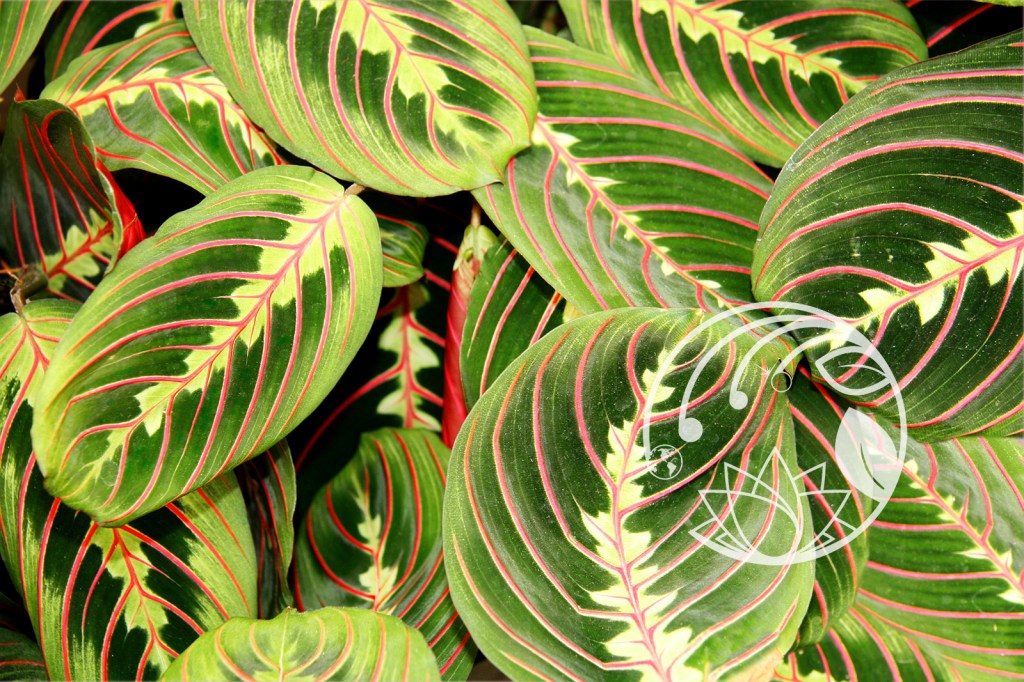
The Enchanting Dance of the Red Prayer Plant
By Angel, Founder, Third Orbit Flora
Prayer plants are a favorite among indoor garden enthusiasts—and for good reason! Their striking oval-shaped leaves, painted in deep glossy green with a tapestry of red veins, evoke the lush beauty of Brazil’s tropical rainforests. But beyond their captivating appearance, there’s something truly mysterious about this plant. Perhaps it’s the nightly dance it performs?
A Living, Moving Marvel
The Red Prayer Plant’s enchanting movement as night falls is a biological phenomenon known as Nyctinasty. Each evening, its leaves fold upward in a protective motion—helping to shed surface water and deter hungry rainforest creatures looking for a meal. Even within the safety of our homes, this plant continues its mesmerizing routine, unfurling again each morning to greet the sun.
Symbolism and Varieties
Beyond its botanical wonders, some cultures believe that Prayer Plants bring luck and prosperity into the home. Who needs leprechauns and four-leaf clovers when you can have the Maranta leuconeura ‘Red’? You might also encounter cultivars like:
- ‘Fascinator’
- ‘Tricolor’
- ‘Herringbone’
Each variety offers unique markings and growth habits, but all share the same vibrant charm.
Care Guide: Keeping Your Red Prayer Plant Happy
This dazzling little plant is relatively low-maintenance, as long as you follow a few essential care tips.
Growth Habits
- Size: Prayer Plants are relatively slow-growing, typically reaching heights of 12-18 inches, preferring instead to spread out.
- Colonization: They colonize with woody rhizomes, much like some types of begonias, forming dense clumps over time that will need to be divided and repotted.
- Repotting: Joy! More Prayer Plants every 1-2 years! Be sure to refresh the potting soil and prune off old or damaged leaves to promote healthy, vibrant growth.
Light
- Indirect light is best—Red Prayer Plants are under-canopy dwellers, so they aren’t well adapted to direct sunlight.
- Avoid direct sun exposure, which can cause the vivid red veining to turn into a crispy brown sunburn.
Water & Soil
- Moisture is a friend of Maranta plants—keep the soil consistently moist but not soggy to prevent root rot.
- A well-draining, peat-based potting mix will provide adequate aeration and ensure the roots don’t stay waterlogged.
Humidity
- Speaking of moisture, the Red Prayer Plant thrives with more humidity than we generally like for ourselves.
- Keep a spray bottle handy to mist the foliage in the morning, or better yet, set the potted Maranta on a pebble tray with water that will evaporate over time, delivering the spa facial that keeps the Red Prayer Plant looking so vivacious.
Temperature
- Keep warm! This goes hand in hand with making sure the temperature in the room stays a comfortable 65-75°F (18-24°C).
- Avoid sudden cool drafts and temperature fluctuations if possible. We are dealing with a tropical delight here, after all.
Fertilization
- Spring & Summer: Because Maranta plants live in our homes and see less light in the winter, it is normal for them to have a period of growth dormancy. Only fertilize our friend in the spring and summer months with a balanced liquid fertilizer diluted to half strength every 4-6 weeks when it’s actively growing.
- Fall & Winter: Winter means little to no new growth as it coasts its way through the cold months, waiting for the return of warmth in the spring—dancing every evening and morning as though calling the sun back around in an endless cycle of life and rest.
More Than Just a Pretty Plant
At the end of the day, the Maranta family does more than just fold its leaves at night—it brings life, beauty, and even a touch of luck to our homes. With its easy-care nature and captivating movements, it’s no wonder the Red Prayer Plant is a favorite among houseplant lovers.
Photo Credit: Adobe Stock image of Red Prayer Plant leaves.
 Third Orbit Flora
Leave a comment